Source Electric Pectin Gummy Making Machine for Candy, Chocolate, and Bliss Ball Production
Compare 30 electric pectin gummy making machines from verified Chinese manufacturers. These units feature automatic processing, stainless steel construction, and capacities up to 150kg/H for candy, chocolate, and ball rounder applications.
Key considerations
Products List


Hot Sale Gummy Candy Making Machine for Pectin Gelatin Gummy Confectionery Machine
$24000.00 - $45000.00
MOQ: 1 Pieces


Complete Jelly Gummy Candy Production Line Gummy Machine Pectin Jelly Gummy Candy Making Machine
$65000.00 - $70000.00
MOQ: 1 Pieces

Gummy Candy Machine Commercial Automatic Gummy Machine Automated Gummy Making Machine
$65000.00 - $70000.00
MOQ: 1 Pieces

Gummies Gelatin Making Machine Automatic Gummy Candy Production Line
$65000.00 - $70000.00
MOQ: 1 Pieces


Probiotic Gummies Gummy Making Machine Gummy Bear Machine Small Jelly Gummies Machine
$13000.00 - $15000.00
MOQ: 1 Pieces


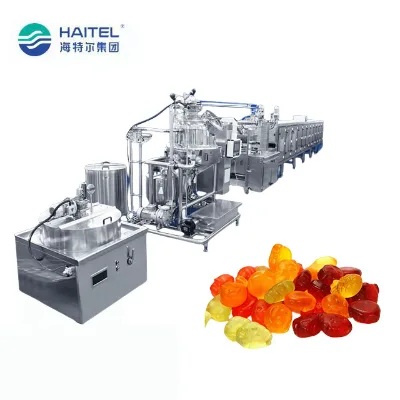
Automatic Small Pectin Gummy Candy Making Machine Deposting Production Line for Factory
$20000.00 - $30000.00
MOQ: 1 Minimum


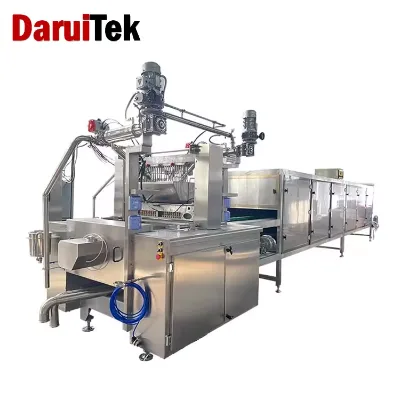
Comprehensive Sourcing Guide
Electric Pectin Gummy Making Machine Sourcing Guide
Technical Specifications and Production Capabilities
When evaluating an Electric Pectin Gummy Making Machine, buyers must first distinguish between the core processing unit and the full forming line. The machinery typically operates on an electric power source, with specific models requiring a 380V/50Hz supply. The power consumption for the forming line can vary significantly, with observed ranges between 50kw and 80kw for high-capacity automatic systems. Smaller, standalone units may operate at lower power levels, such as 32kw, depending on the specific configuration and output requirements.
The physical dimensions of the equipment are critical for factory floor planning. The standard length for a complete forming line can extend up to 13 meters, while individual unit models may have compact footprints or specific dimensional requirements like 600x200x100 cm. The output capacity is a primary driver for selection, with observed rates ranging from 100 to 150 kg per hour. This capacity is directly linked to the pouring speed, which typically operates between 25 and 45 pours per minute for certain series, while other configurations may achieve depositing speeds of 55 to 65 pours per minute.
The machine's material composition is paramount for food safety. The primary construction material is stainless steel, ensuring durability and compliance with hygiene standards. The automatic grade of the equipment is a key feature, allowing for continuous operation with minimal manual intervention. The processing material input is specified as natural ingredients, which is essential for pectin-based gummies that rely on plant-derived gelling agents rather than gelatin. The core components driving these operations include PLCs for automation, engines, bearings, gearboxes, motors, and pressure vessels. These components must be sourced from reputable manufacturers to ensure the longevity of the thermal processing and concentration stages inherent in gummy production.
Compliance and Certification Verification
Certification status is a non-negotiable aspect of sourcing industrial food machinery. Buyers must verify that the equipment holds valid CE certification, which indicates conformity with health, safety, and environmental protection standards for products sold within the European Economic Area. Some listings may reference ISOCE or similar variations, but the primary standard to confirm is the CE mark. It is crucial to request the actual certification documents rather than relying on marketing claims, as the validity of these certifications can vary by region and specific machine model.
Beyond general certifications, the working conditions of the machine must align with the factory environment. The observed operating parameters suggest a working temperature range of 20-25ºC and a humidity level of approximately 50% to 55%. If a facility operates in a climate that deviates significantly from these ranges, additional environmental controls or machine modifications may be required to maintain product consistency. The compressed air requirements are also specific, typically needing a flow rate of 1.6m³/Min at a pressure of 0.6-0.8MPa. Failure to match these utility requirements can lead to operational inefficiencies or machine downtime.
Cost Drivers and Pricing Structure
The pricing for electric pectin gummy making machines is highly variable, reflecting the complexity of the automation and the scale of production. The observed price range in the market spans from 7,300 USD to 180,000 USD. This wide disparity is driven by several factors, including the length of the forming line, the sophistication of the PLC control systems, and the inclusion of auxiliary equipment such as cooking vessels or cooling tunnels.
The minimum order quantity (MOQ) for these industrial units is typically 1, allowing for single-unit purchases. However, the total cost of ownership extends beyond the initial purchase price. Buyers should consider the cost of the wooden case or box packaging, which is standard for shipping heavy machinery. The gross weight of the equipment, which can reach up to 8,000 kg for larger models, significantly impacts shipping and logistics costs. Additionally, the power requirements of the machine will influence long-term operational expenses, with higher power consumption models incurring greater electricity costs.
Typical Applications and Product Versatility
These machines are designed primarily for the manufacturing of candy and chocolate products, with a specific focus on pectin-based gummies. The application scope includes food and beverage factories, manufacturing plants, and potentially retail or restaurant environments depending on the scale of the unit. The "Bliss Ball Making Machine" and "Ball Rounder Machine" designations indicate versatility in handling different product shapes, such as round gummies or specific confectionery forms.
The process involved is thermal processing, which is essential for cooking the pectin mixture to the correct consistency before depositing. Some advanced models may also feature concentration and drying processes, allowing for a more integrated production line. The ability to customize the machine is a significant advantage, enabling buyers to tailor the equipment to specific product recipes or branding requirements. The output model series, such as the GumTop-Series or the LM-DH series, suggests that different models are optimized for different production volumes or product types.
Supplier Evaluation and Origin Analysis
When evaluating potential suppliers, the geographic origin of the machinery is a relevant factor. The majority of the observed units originate from China, specifically from regions like Zhejiang and Shanghai. While these regions are known for their manufacturing capabilities, buyers should conduct due diligence to ensure the supplier has a proven track record in exporting food-grade machinery. The presence of specific model numbers, such as LM-DH-M6, LM-DH-M47, or the GD series (GD80Q, GD150Q, etc.), can help in identifying the specific manufacturer or product line.
Buyers should verify the supplier's ability to provide after-sales support, including the availability of spare parts for core components like motors and gearboxes. The working condition specifications, such as temperature and humidity tolerances, should be discussed to ensure the supplier can provide a machine that fits the buyer's specific facility constraints. It is also important to confirm the packaging standards, as some units are shipped in wooden cases while others may use standard boxes, which affects the protection of the equipment during transit.
Quality Control and Operational Standards
Quality control during the procurement process involves verifying the technical specifications against the actual performance of the machine. The pouring speed and output capacity must be tested to ensure they meet the advertised 100-150 kg/h range. The working temperature and humidity conditions should be monitored to prevent issues with the pectin setting process. The use of stainless steel for all product-contact surfaces is a standard requirement that must be verified through visual inspection and material certificates.
The automatic grade of the machine should be tested for reliability, ensuring that the PLC and other core components function seamlessly without frequent interruptions. The compressed air system must be checked for leaks and pressure stability, as fluctuations can affect the depositing speed and product uniformity. Buyers should also inquire about the maintenance requirements for the engine and gearbox, as these are high-wear components that may require regular servicing.
Long-Term Procurement Considerations
Sourcing an Electric Pectin Gummy Making Machine is a long-term investment that requires careful planning. The customization options available allow for future-proofing the production line, enabling the manufacturer to adapt to new product trends or changes in recipe formulations. The standard specifications, such as the 13m length for certain lines or the 600x200x100 cm dimensions for others, should be integrated into the factory layout design to maximize efficiency.
Buyers should also consider the scalability of the machine. The ability to increase output from 100 kg/h to 150 kg/h or adjust the pouring speed provides flexibility in meeting fluctuating market demands. The certification status, particularly the CE mark, ensures that the machine can be used in international markets without regulatory hurdles. Finally, the total cost of ownership, including energy consumption, maintenance, and potential downtime, should be calculated to ensure the machine remains economically viable over its lifespan. By focusing on these factors, buyers can secure a reliable and efficient production solution for their gummy manufacturing needs.
FAQs
What is the output capacity of the Electric Pectin Gummy Making Machine?
The machine offers an output capacity ranging from 100 to 150 kg per hour. This rate depends on the specific model series selected, such as the GumTop-Series or LM-DH models, and the configured pouring speed.
Which certifications does the equipment hold for safety compliance?
The equipment holds CE certification, indicating conformity with health and safety standards. Some listings may reference ISOCE, but buyers must verify the actual certification documents for validity in their target region.
Can the machine be customized for specific production needs?
Yes, customization is available to tailor the machine to specific product recipes or branding requirements. Buyers can request adjustments to the forming line or depositing speed to match their unique operational constraints.
What are the working temperature and humidity requirements?
The machine requires a working temperature between 20 and 25 degrees Celsius with humidity around 50 to 55 percent. Facilities must maintain these environmental conditions to ensure consistent product setting and machine performance.
How is the machine powered and what are the electrical specs?
The machine operates on an electric power source with a supply requirement of 380V/50Hz. Power consumption for the forming line varies between 50 and 80 kW, while standalone units may operate at 32 kW.
What materials are used for the machine construction?
The primary construction material is stainless steel, ensuring durability and compliance with food hygiene standards. This material is essential for product-contact surfaces to maintain safety during the thermal processing of natural ingredients.